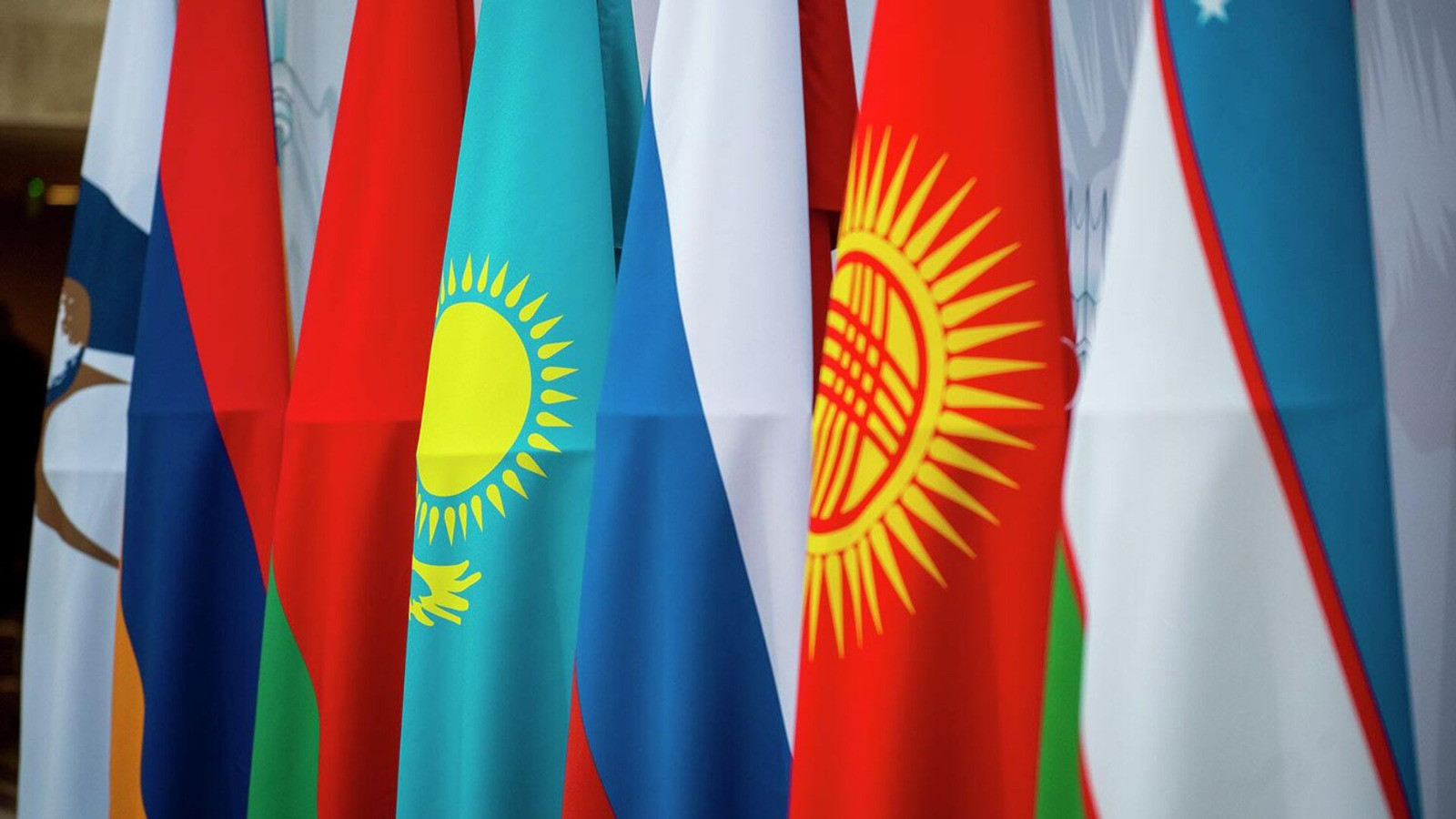
The customs processing mechanism strengthens industrial integration and accelerates export growth within the EAEU
The use of the customs processing procedure in EAEU countries stimulates the development of joint production and boosts exports. This was stated by Vasily Alpatov, Regional Director of JSC "Export Credit Agency of Kazakhstan" in the Russian Federation, at a recent seminar of the Eurasian Economic Commission.
According to Mr. Alpatov, the customs processing procedure, which exempts companies from paying duties and taxes when temporarily importing foreign goods, optimizes production processes and increases the competitiveness of products within the EAEU. In essence, it serves as a strategic driver for deepening economic integration among the member states of the Union.
“We are witnessing the growing financial significance of the EAEU countries in our portfolio. It’s not just about the increase in the volume of contracts — it's direct evidence of strengthening economic ties and expanding mutual trade within the Union,” Alpatov noted. “At the EEC platform, we are actively working to ensure that our joint projects not only reach implementation but also contribute significantly to the export potential of member states, bringing real economic benefits.”
The seminar focused on the practical aspects of applying the customs processing procedure, the organizational features of its implementation by the customs authorities of the Union member states, and the benefits it offers to producers and exporting companies. Among the promising industrial sectors that currently use or could potentially benefit from this procedure are aerospace and shipbuilding, railway engineering, automotive manufacturing (including engine production), as well as metallurgy, pharmaceuticals, woodworking, chemical and light industries, and other strategically important sectors.
An analysis of the dynamics of cooperative deliveries in these sectors indicates significant potential for developing industrial cooperation within the EAEU and expanding exports of high-tech products to third-country markets.
The seminar was organized with the support of the Russian Export Center Group and was attended by over 130 representatives of government authorities, institutions, industry associations, and businesses from EAEU member states.